Most people picture emergency housing as a bed. A safe room, a door that locks, a full night's sleep. That part matters, and every year it is where 350 women and children begin again at YWCA of Rochester & Monroe County. But a safe room is only the start of what this team does.
Around the table
If I could show you one ordinary moment in Emergency Housing, it would be dinner in our family shelter. A home-cooked meal every night, with parents and kids gathered around the same table. Families tend to stay with us a little longer there, and over those weeks something happens that no program description captures. People who arrived as strangers start looking out for one another. They build real community, at a moment when they need it most.
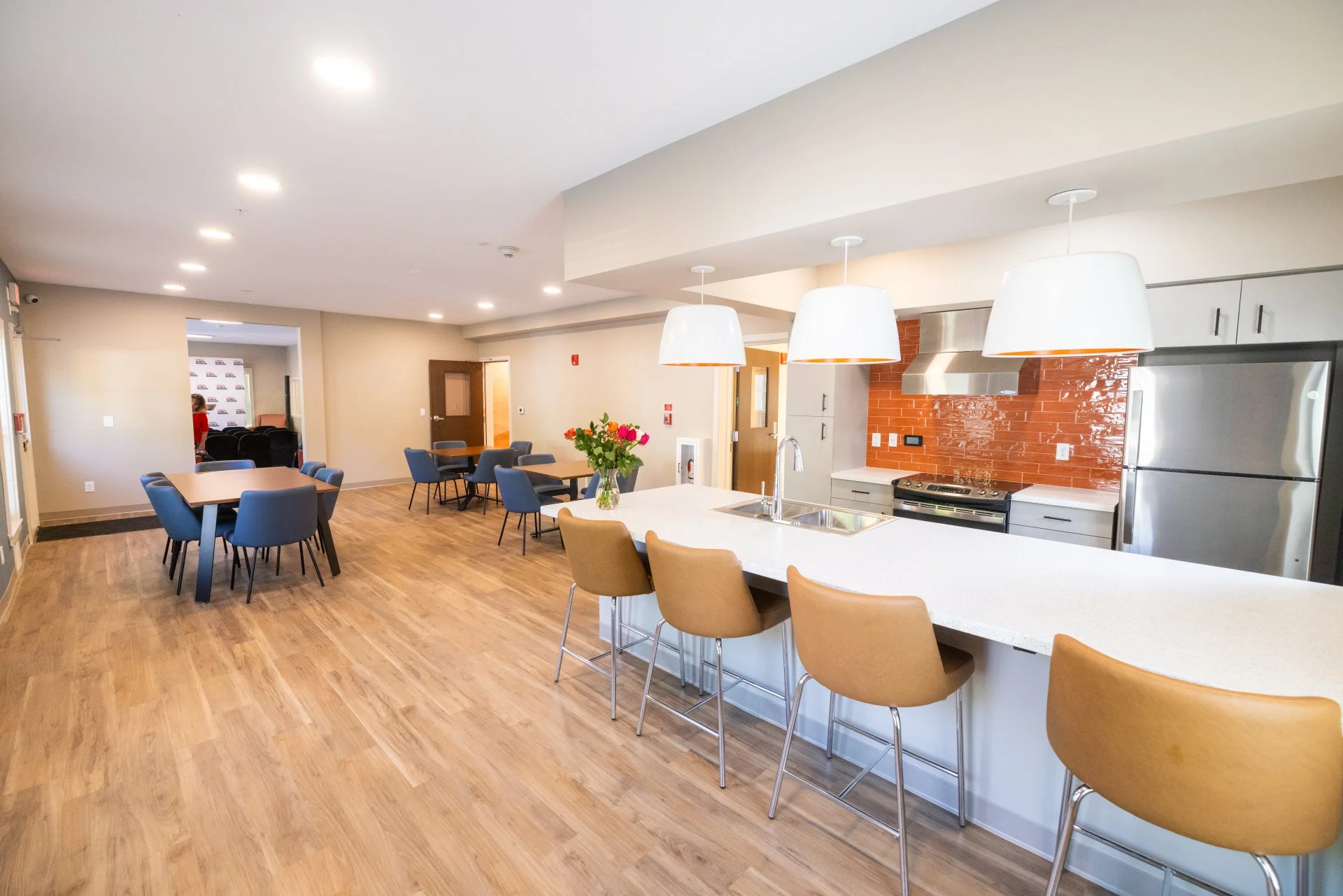
The shared kitchen and dining room in Persimmon Place, owned and operated by YWCA Rochester & Monroe County.
Getting the room ready
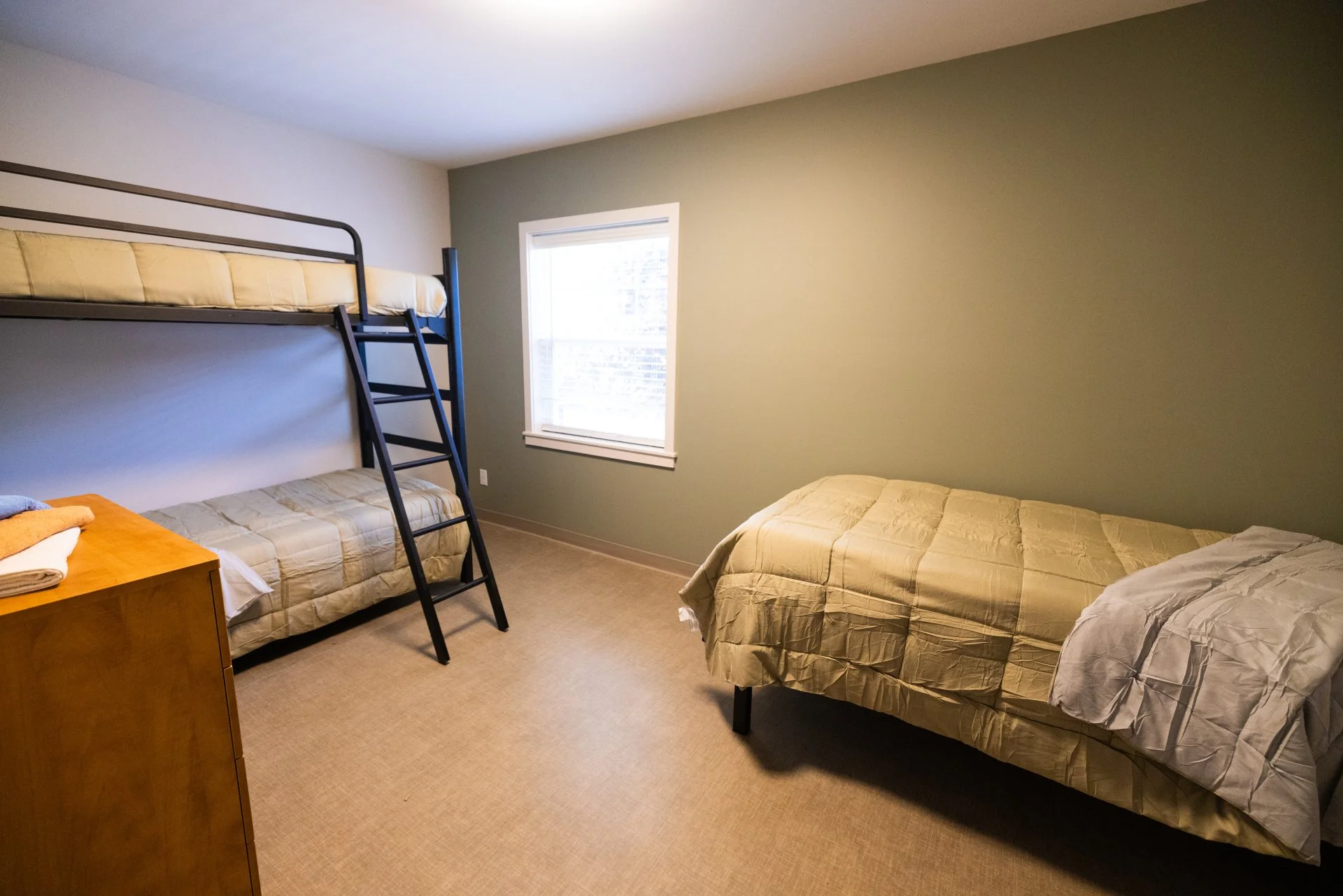
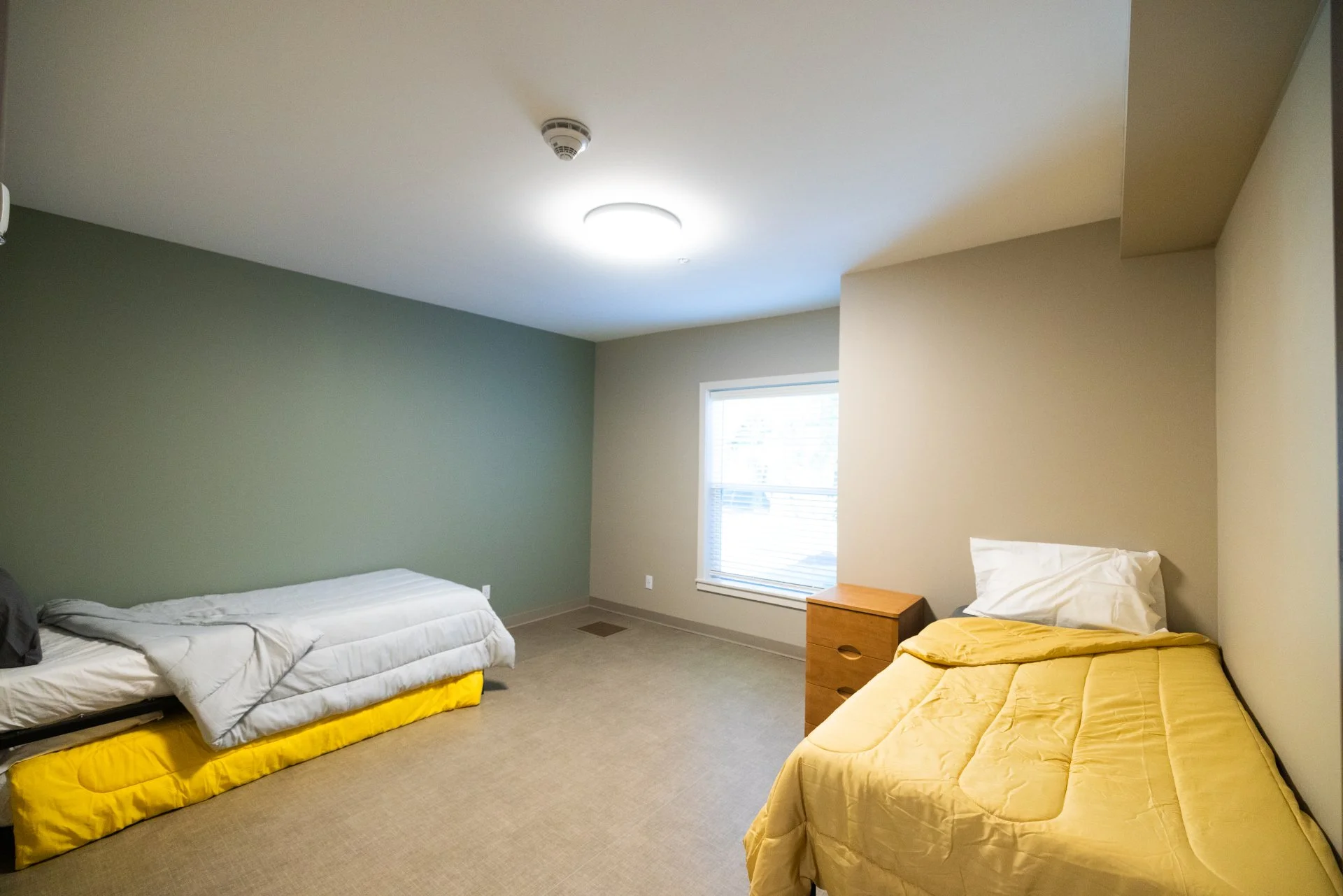
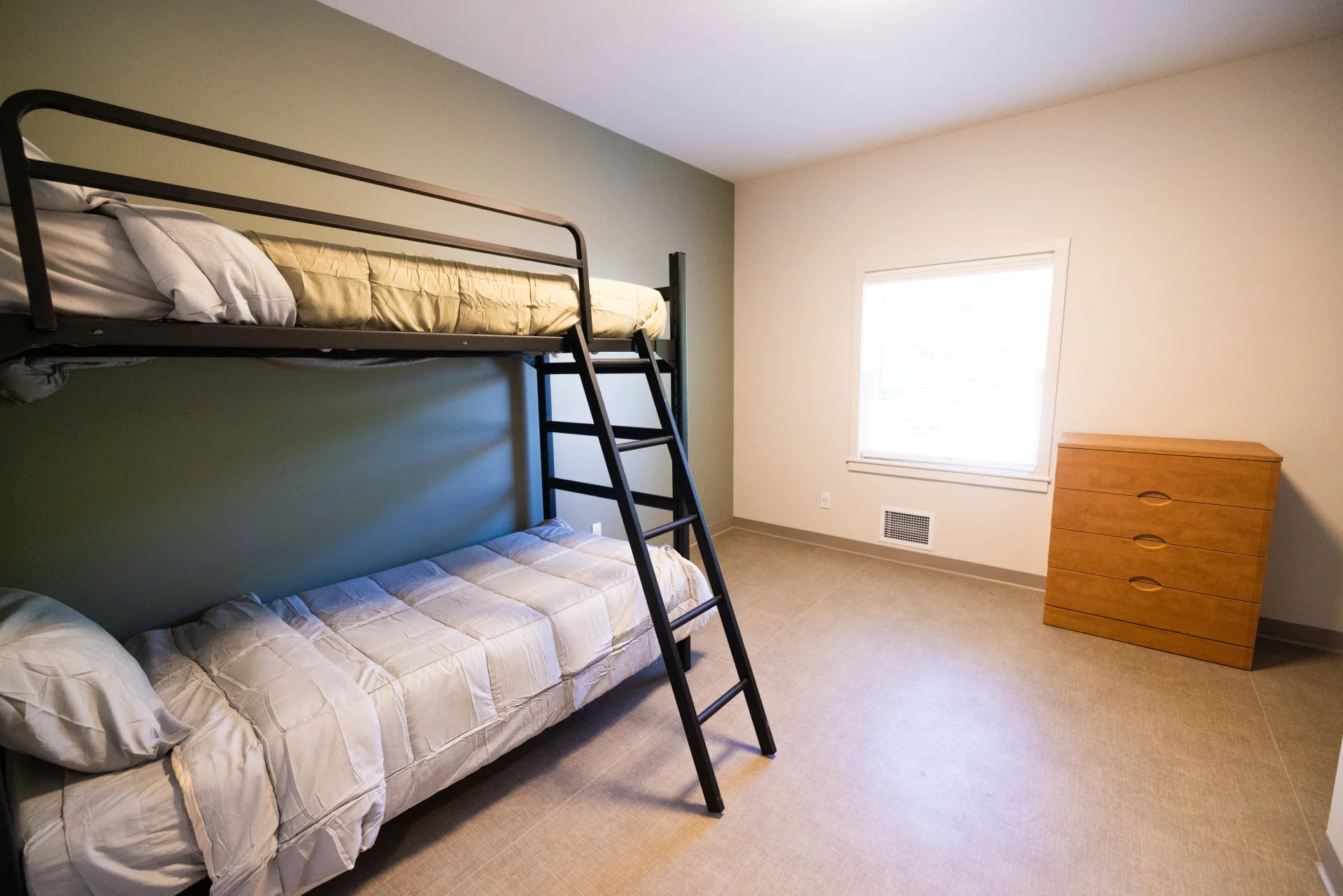
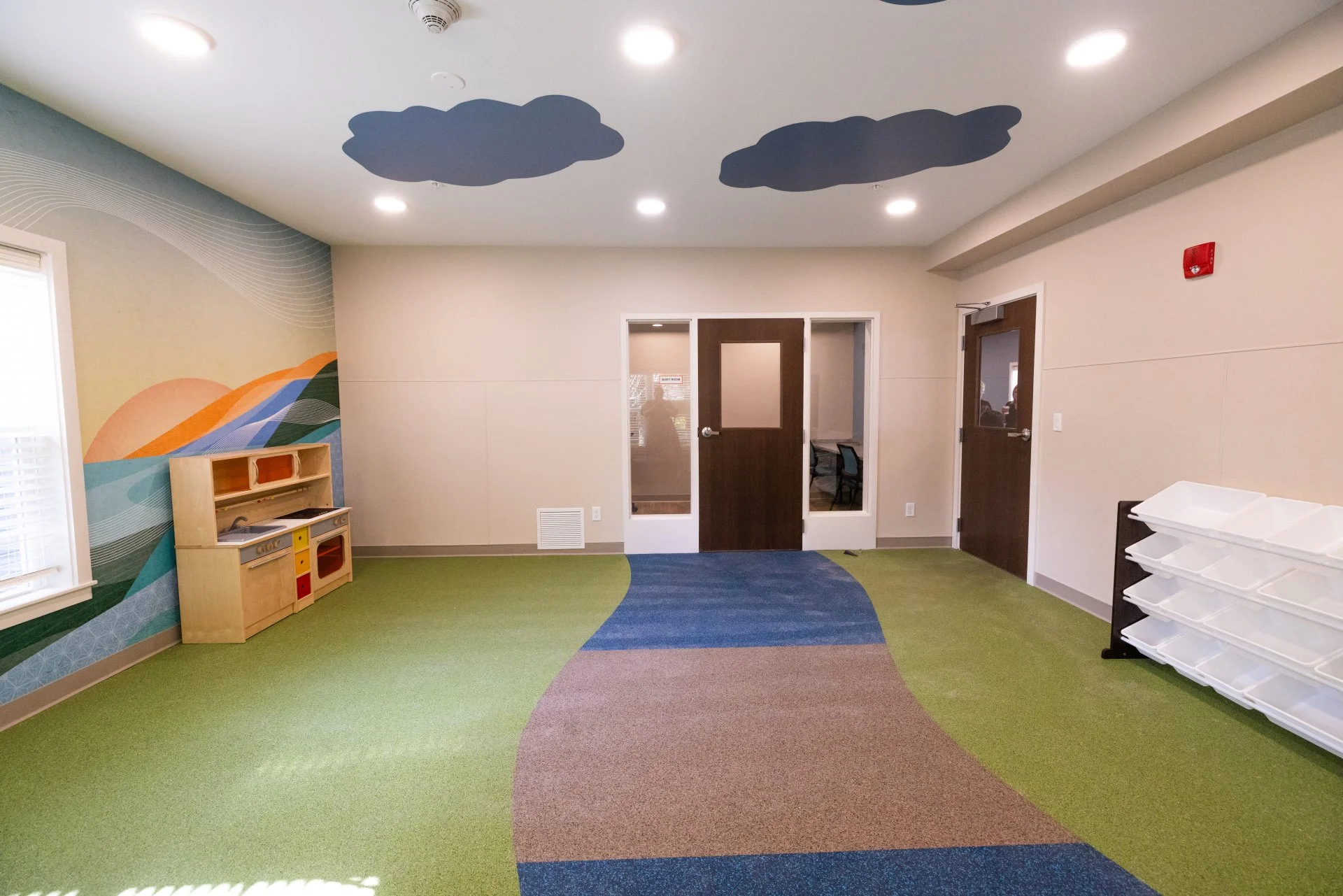
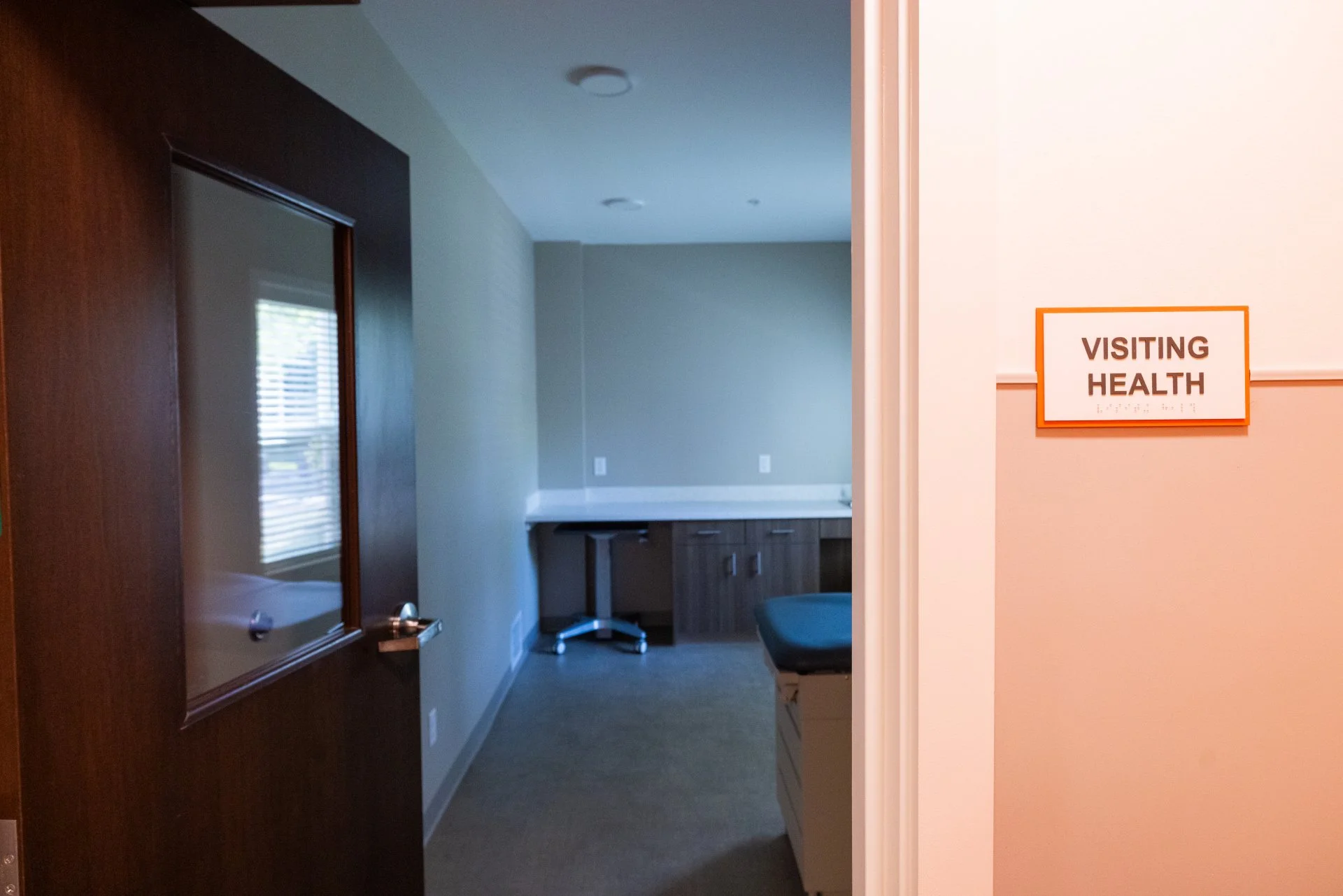
Measured in hours, one of the biggest parts of this work is something no one sees: turning a room. When a family moves on, our staff clean, restock, and prepare that space for whoever arrives next. It is not flashy. It is hard work, and it deserves to be celebrated, because the room is the first thing the next woman sees. It tells her, before anyone says a word, that she is welcome here.

What the budget does not cover
Emergency Housing does not always have direct assistance funds. There is no standing pot of money for the utility bill that comes due, or the security deposit a landlord needs by Friday to hold that perfect apartment. Those crises arrive anyway. They do not wait for a grant cycle.
So the team does something that appears on no program description. They make calls. They learn which agency can move money quickly, which one covers deposits, and which landlord will actually listen. And our support does not end on move-out day. The team stays with women and families for up to a year after they leave, because the first months in a new home are when things are most likely to go wrong.
Here is what that looks like. A family we had recently helped move into their own home called with the news every new tenant dreads: the power had been shut off. The balance was about $1,000, and the program had no fund to cover it. Our case manager reached out to a partner agency that provides emergency financial help. Within 24 hours of the shutoff, the payment was made and the lights were back on.
For a family that had just found stable ground, one dark week could have undone months of work. It didn’t.
The hardest part
Finding a home is still the most difficult part of the job. Our case managers search every day for housing that is safe, affordable, and right for each family, and there simply is not enough of it. Shelter stays do not always end on our timeline, and some families move on before a search is finished. Even so, we have been able to safely house most of the families who stay with us.
Homelessness is a full-time job
People underestimate how much of homelessness is paperwork. Families tell their story again and again: at intake, at benefits offices, at the hospital, in court. Every retelling costs time and energy they need for everything else. We are working every day to reduce that burden and to make our own systems easier on the families we serve.
It is also worth saying plainly what we see. People often assume homelessness begins with addiction or mental illness. The numbers say otherwise. Half of unhoused families lose their housing for financial reasons, like an eviction or a lost job. Another 36 percent are leaving domestic violence or family conflict. Substance use accounts for just 7 percent. Here in Monroe County, about 5,000 evictions are filed every year, and roughly 4,500 of them are for unpaid rent. And when people do struggle with their health while homeless, losing a stable home has often caused that struggle or made it worse.

What this work actually is
None of this is really about a bed. It is about what comes with it: a table set for dinner, a room made ready, a case manager who knows this city well enough to find $1,000 in a day. That network, built over years with partners across Monroe and Ontario Counties, is one of the most valuable things YWCA has. It never appears on a balance sheet.
It also has limits. Every one of those calls runs on someone else’s budget and someone else’s goodwill.
Emergency Housing is open every night of the year. Behind every woman who comes through its doors is a team that cooks the dinner, turns the room, makes the calls, and treats “we don’t have funds for that” as the start of the conversation, not the end of it.
To follow this work through the year, subscribe to The YW, our quarterly newsletter.